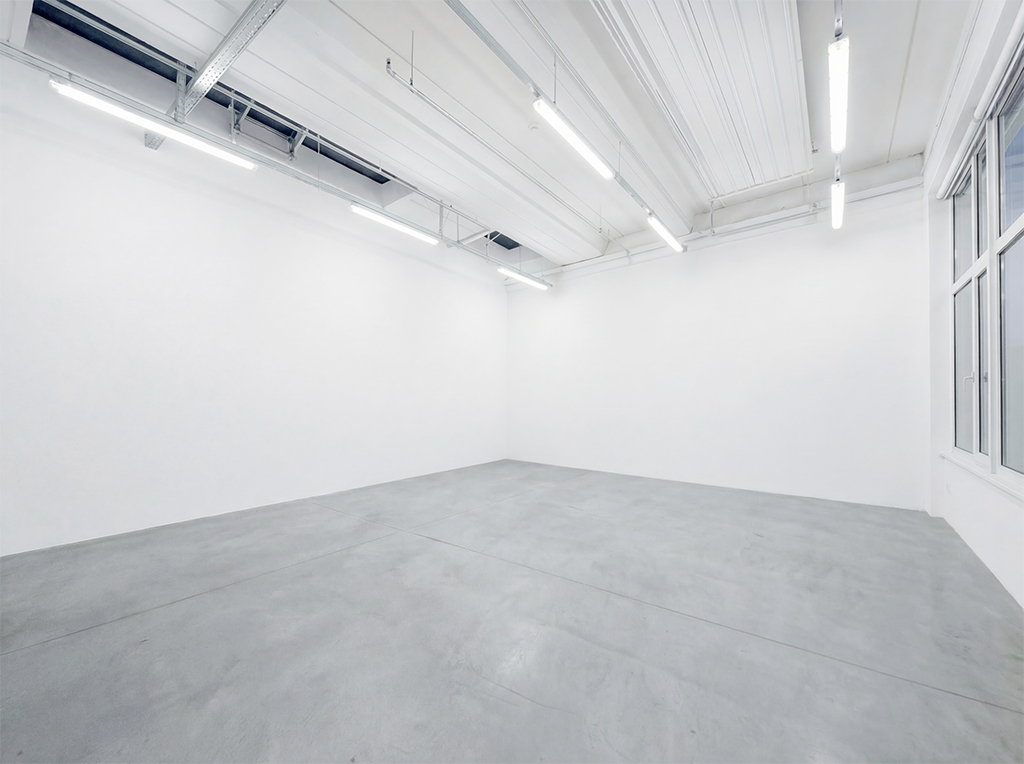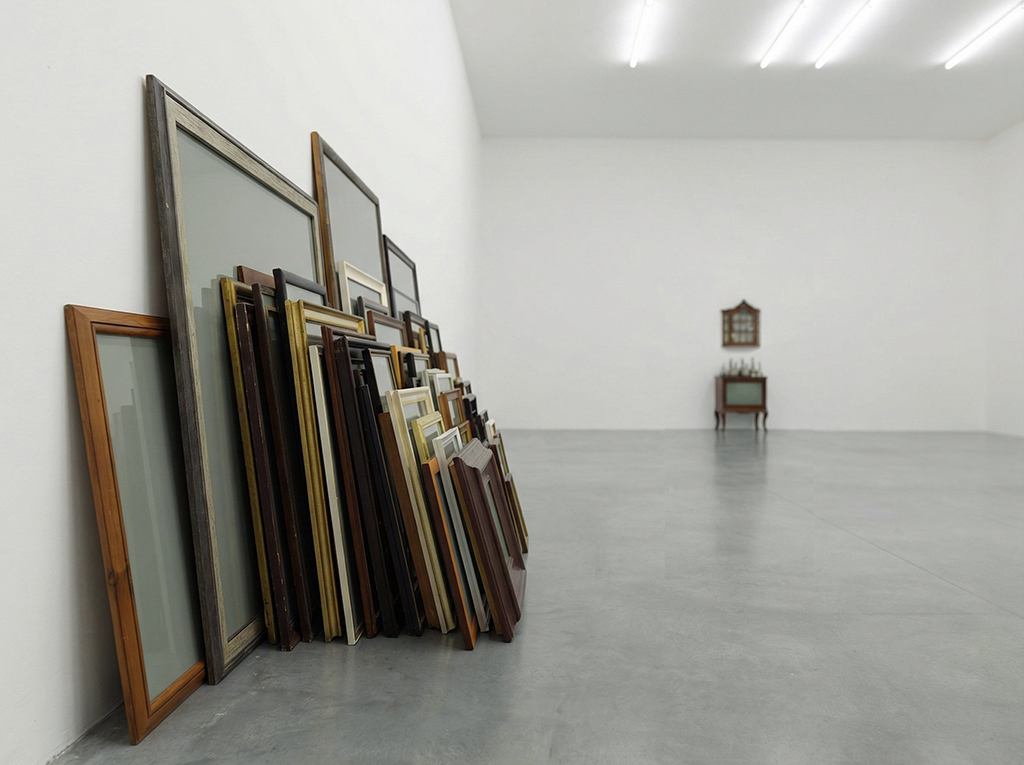
Last night, while talking with friends over a glass of wine, an intriguing discussion emerged about how we perceive the spaces we inhabit every day. Some argued that a room is merely a functional container; others suggested that every place retains invisible traces of what occurs within it, gestures, memories, habits. It felt unusual to reflect on how, often without realizing it, we assign emotional meaning to walls, objects, corners of the house, even to the placement of things.
On reflection, we believe that space is never neutral, because it is always interpreted through our own gaze. Even a simple arrangement of furniture can alter the way we move, encounter one another, and even the way we think. Perhaps the true experience of space arises precisely in the relationship between what is measurable, dimensions, distances, proportions, and what is imagined or felt. Our everyday environment, then, is not merely a backdrop but an active presence that shapes our perception and our relationships.
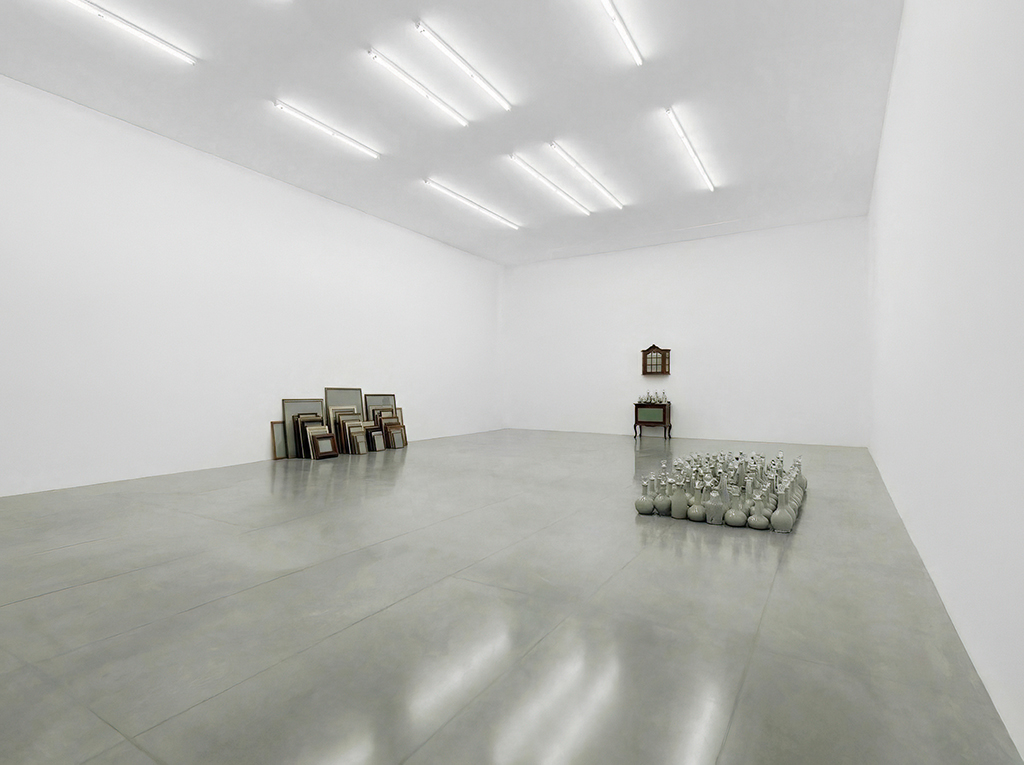
Oscar Lourens focuses his work on the analysis and transformation of architectural space. His process begins with a precise mapping of space through measurements expressed in units and distances. The space is then reconstructed at a different scale, either enlarged or reduced, creating a tension between what is real and what is imagined. Over time, measuring instruments themselves have become integral to his practice: since 2011, the artist has collected measuring cups, set squares, rulers, and other objects associated with everyday life.

In the project presented at FORM, the theme of collecting takes on a central role. Bringing together similar objects is not simply an act of accumulation, but a way of assigning them new meaning through their arrangement in space. By painting them grey, often on the inside or at the back, Lourens neutralizes their original function and transforms them into visual elements. Certain details emerge more forcefully, inviting the viewer to observe the objects more attentively and to construct a new interpretation.

FORM is an independent research platform dedicated to contemporary art, with a systematic focus on artificial intelligence as a curatorial device.
In an era dominated by technical images—produced no longer by the human hand but by programmed apparatuses—documentation ceases to be a mere passive record and becomes a creative, unstable, and performative act. The image no longer faithfully represents what once was; instead, it generates new versions of the visible: altering scale, time, and perspective, introducing controlled anomalies, and collapsing spatial hierarchies.
Here, documentation becomes meta-documentation: a hybrid territory where the artwork and its transmission merge, where context transforms into choreography and the image functions as an active device. Exhibitions—often held in ambiguous, empty, audience-less, or mobile spaces—serve as tools to probe the structural instability of the digital artistic experience. Artificial intelligence operates as a collaborative language and critical agent: not a neutral tool, but a productive anomaly that disrupts conventional visual codes, exposes mechanisms of visibility, and unlocks non-linear narratives.
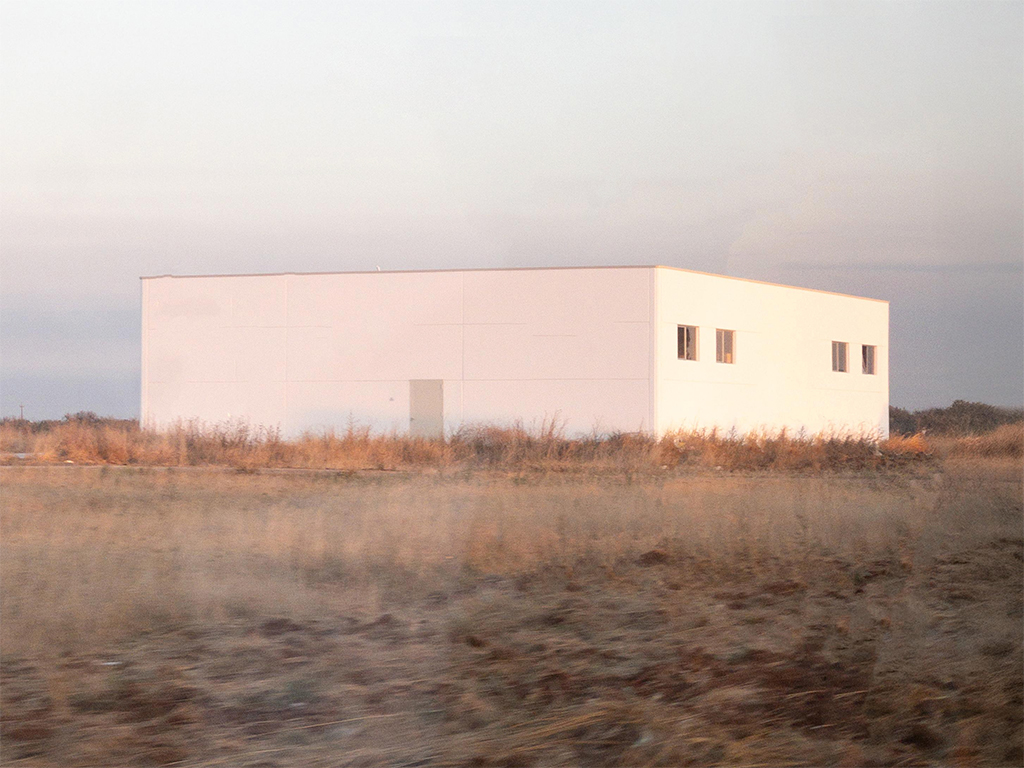
FORM collaborates with artists to develop projects centered on sequences of images, placing the documentation of the artwork at the core of the experience—whether the process is physical, digital, or AI-driven is secondary. What matters is opening up the flow of image production and linking it to notions of artworks and exhibitions, blending derivatives with original starting points to multiply possibilities. We embrace glitches, intentional errors, and mutations as forms of resistance against the unfortunate stagnation that today pervades all sectors of the art world.
In this universe of calculated images, art is not consumed: it is played, deconstructed, and reinvented—both against and alongside the programs that generate it.
REFRAME
FORM—35—26
6 – 27 maart 2026
WAAR : FORM
WEBSITE : formatspace.org